Hazardous Material Management

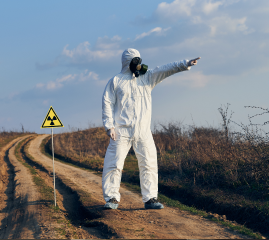
We identify and locate hazardous materials such as asbestos, lead, mercury, silica, and PCBs in your workplace or home, providing the critical testing needed for safe management or abatement.

Mould & Water Damage

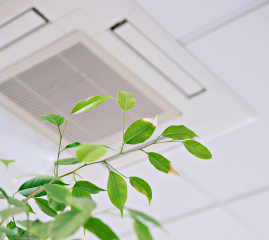
Mould growth poses serious health risks to the young, elderly, and immunocompromised. We conduct thorough mould assessments to identify and evaluate mould presence, providing actionable solutions to protect occupant health and building integrity.

Water Testing

We ensure the safety and quality of your water. Our testing services include sampling for metals, nutrients, microbiological contaminants, and inorganic compounds to ensure compliance with regulations. From verifying potable water safety to conducting complex contamination investigations, we deliver precise analysis and clear recommendations.

Business Continuity Planning

Ensuring operations continue — no matter the disruption.

A business continuity plan (BCP) is
a document that outlines the steps an organization will take to continue operating during and after a disruption, such as a natural disaster, cyberattack, or pandemic. It includes identifying critical business functions, assessing potential risks, and detailing emergency response procedures, communication plans, and backup strategies to minimize downtime and facilitate a return to normal operations. A BCP is crucial for preserving an organization’s operations, finances, and reputation.  

Key components of a business continuity plan

Risk and business impact analysis

Identifying potential threats and evaluating how they could affect critical business functions. 

Communication plans

Defining how and with whom to communicate during a disruption, including employees, customers, and stakeholders. 

Emergency response procedures

Outlining the immediate actions to be taken in the event of a crisis. 

Backup and recovery strategies

Detailing how to restore essential systems and data, often working in conjunction with a disaster recovery plan. 

Business Continuity Planning

Ensuring operations continue — no matter the disruption.

A business continuity plan (BCP) is
a document that outlines the steps an organization will take to continue operating during and after a disruption, such as a natural disaster, cyberattack, or pandemic. It includes identifying critical business functions, assessing potential risks, and detailing emergency response procedures, communication plans, and backup strategies to minimize downtime and facilitate a return to normal operations. A BCP is crucial for preserving an organization’s operations, finances, and reputation.  

Key components of a business continuity plan

Risk and business impact analysis

Identifying potential threats and evaluating how they could affect critical business functions. 

Communication plans

Defining how and with whom to communicate during a disruption, including employees, customers, and stakeholders. 

Emergency response procedures

Outlining the immediate actions to be taken in the event of a crisis. 

Backup and recovery strategies

Detailing how to restore essential systems and data, often working in conjunction with a disaster recovery plan. 
The fact

The Achivement

Sed ut perspiciatis unde omnis iste natus error sit voluptatem accusantium doloremque laudantium, totam rem aperiam, eaque ipsa quae ab illo inventore veritatis et quasi architecto beatae vitae dicta.

0 +

Finished Projects

0 +

Years of Experience

A business continuity plan (BCP) is a document that outlines the steps an organization will take to continue operating during and after a disruption, such as a natural disaster, cyberattack, or pandemic. It includes identifying critical business functions, assessing potential risks, and detailing emergency response procedures, communication plans, and backup strategies to minimize downtime and facilitate a return to normal operations. A BCP is crucial for preserving an organization’s operations, finances, and reputation.  

Key components of a business continuity plan.

Risk and business impact analysis: Identifying potential threats and evaluating how they could affect critical business functions. 

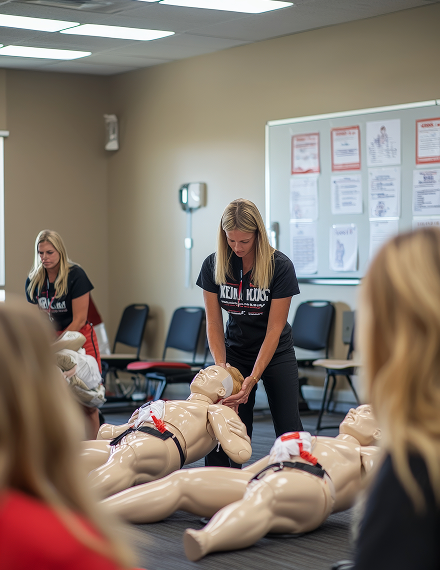
BCP and Emergency Preparedness Training & Evaluation

Service offered include:

  • Incident Management Training
  • Crisis Response & Disaster Exercises
  • Emergency Management Consultation & Planning
  • Respiratory Fit Testing & Training
  • Emergency response procedures: Outlining the immediate actions to be taken in the event of a crisis. 
  • Communication plans: Defining how and with whom to communicate during a disruption, including employees, customers, and stakeholders. 
  • Backup and recovery strategies: Detailing how to restore essential systems and data, often working in conjunction with a disaster recovery plan
  • Employee roles and training: Specifying who is responsible for what during an emergency and ensuring staff are trained on their roles. 
  • Testing and maintenance: Regularly testing the plan and updating it to reflect any changes in the business or its risks. 

Why a BCP is important

Lorem ipsum dolor sit amet, consectetur adipiscing elit. Ut elit tellus, luctus nec ullamcorper mattis, pulvinar dapibus leo.


Who We Are

Who We Are

It’s not just the environment that’s changing. It’s becoming more difficult to keep up with the shifting landscape of local, regional, and national regulations that affect your business.  Our consultants consist of Professional Chemists (P.Chem.), Professional Engineers (P.Eng.), Professional Geoscientists (P.Geo.), Microbial Remediation Technicians (AMRT), Water Restoration Technicians (WRT) and Fire and Smoke Remediation Technicians (FSRT). Our staff members are also active in both Canadian and International professional associations. We also work closely with a group of allied professionals, including Certified Industrial Hygienists (CIH), Registered Occupational Hygienists (ROH), and Toxicologists (DABT).

Other Services include: Asbestos Consulting; Hazardous Material Surveys; Water Quality Testing; Indoor Air Quality Investigations; Radon Testing; Mould Assessments; Occupational Hygiene Assessments; Environmental Services; Infection Control Services; Health and Safety Training

About

First Phase Environmental Ltd (FPE) provides top quality environmental consulting and training services.

The company philosophy is Environmental Integrity, which ensures we communicate and provide services to clients in manner that ensures we consistently meet or exceed client expectations. Our belief is that, once the projects deliverables are established they must be met. Our commitment to this philosophy has led to steady growth and a solid industry reputation.

Environmental Integrity

Project Planning

Project Execution

Our Philosophy: Environmental Integrity

Our core philosophy, Environmental Integrity, is a commitment to transforming your objectives into tangible, successful outcomes. From the moment project deliverables are established, they become our absolute benchmark. We believe that true integrity is demonstrated not just in our communication, but in our unwavering dedication to delivering on our promises. This principled approach is the foundation of our trusted reputation and steady growth.

First Phase Environmental

As the name implies, we are the consultancy that should be contacted at the beginning of a process, project, or disaster.  Our team is capable of evaluating risks and aid you in developing a strategy by way testing, inspection or an assessment.  Whether the risk is be operational, occupational, compliance or a natural disaster our experienced staff have to experience to guide you in the right direction. 

Commercial

These services include waste management (like recycling and disposal), environmental testing, site cleanup, remediation for issues like asbestos or mold, and consulting on environmental, health, and safety (EHS) compliance. Companies in this sector aim to help businesses reduce costs, mitigate risks, and maintain a safe and compliant operation

Residential

During renovations and construction workers or homeowner may be exposed to numerous hazardous material contained within the building materials selected or encountered. Our staff is trained to identify these hazards to ensure they are handled safely and disposed properly

Healthcare

Healthcare-associated infections (HAIs) – Construction and renovation activities can generate significant dust, which can aerosolize and disperse dormant fungal spores and bacteria like Aspergillus that are hidden within walls, ceilings, and other building materials. This contaminated dust then travels through ventilation systems, elevator shafts, and hallways, infiltrating patient care areas.

Hospitality

The industry is also vulnerable to risks like natural disasters, supply chain disruptions, and the effects of climate change on its operations. Also, hospitality industry may have risk associated with Legionella, Mould growth, Airborne bacteria and the transmission of viruses from guests.

Let’s Begin A New Project with Us

Lorem ipsum dolor sit amet, consectetur adipiscing elit. Ut elit tellus, luctus nec ullamcorper mattis, pulvinar dapibus leo.

Our Blog

Latest Article